
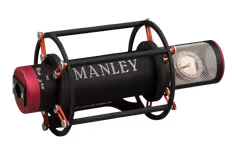
The Reference Cardioid utilizes a center-fixed cardioid capsule featuring a 6-micron gold-sputtered diaphragm engineered to emulate the high-frequency resonance, proximity effect, and tonal balance of vintage European tube microphones. This capsule design delivers rich midrange presence with controlled high-frequency response, providing flattering vocal capture with minimal need for corrective equalization during tracking and mixing stages.
Reference Cardioid
Reference Cardioid
The Vocal Sound of Modern Hip-Hop, Pop and Rock
- A modern classic and fan-favorite among modern DAW producers
- Extended headroom design with switchable -10 dB attenuation pad
- Your digital recordings have never sounded so smooth, yet so precise and clean.
- Hand-assembled in California

Manley Reference Cardioid, our modern classic tube hit mic!
This mic has less features than the Gold Reference mic, for example, so we can offer it with a more budget-friendly price-tag, but make no mistake: this mic has won many shoot-outs even against our own higher-priced alternatives. According to real-world users the Reference Cardioid simply shines on modern vocals that demand clarity, articulation and an overall smooth sound that can still be tuned and optimized in a DAW without breaking up! The Manley Reference Cardioid delivers large-diaphragm tube microphone performance with sonic characteristics inspired by classic European designs, particularly the U47 topology. Hand-assembled in California, it employs a fixed cardioid capsule with thicker gold-sputtered diaphragm and all-tube amplification, to provide immediate presence and tonal balance for vocal tracking and instrument recording at the highest level.
All-tube amplification with extended dynamic range
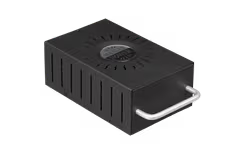
The Reference Cardioid's all-tube circuitry provides low-noise operation with 150 dB maximum SPL capability, accommodating sources from intimate vocals to high-level percussion and brass instruments. A switchable -10 dB pad enables tracking of elevated sound pressure levels without distortion. Manley Power® supply technology delivers high-voltage operation for extended headroom and low-noise output, requiring minimal gain from connected preamplifiers.
California craftsmanship with professional accessories
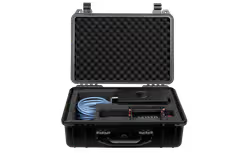
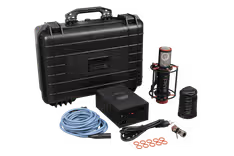
Each Reference Cardioid is hand-assembled and tested at Manley's Chino, California facility using carefully selected vacuum tubes and components throughout the signal path. The microphone includes professional shock mount, protective carrying case, and genuine leather capsule cover for transport and storage. This combination of proven tube topology and meticulous assembly provides consistent performance for demanding professional recording applications.
Polar Pattern
Fixed Cardioid
Frequency Response
10 Hz – 30 kHz
Max SPL
150 dB
Noise
-120 dB EIN
Tubes
12AT7
Output Impedance
200 Ohms
Specifications
- All-Tube triode design utilizes 12AX7 or 7025EH (Previous versions used 12AT7 and 6072.)
- -10 dB switchable pad
- Frequency response: 10Hz-30KHz
- Sensitivity: 17mV/Pa
- Noise typically -120dB EIN
- Max SPL: 150dB
- Output Impedance: 250 Ohms
- Weight: 2.25 lbs (mic)
- Size: mic body 2" diameter x 9.7" long x 4.5" (mic suspension outside diameter)
- Shipping weight: 15 lbs
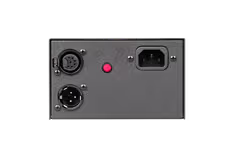
As of 6/2020 SMPS Power Supply versions REFCARD7P####:
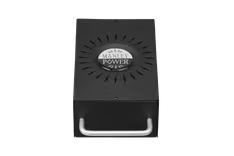
- Universal MANLEY POWER™ Switch Mode Power Supply; works worldwide
- Power Consumption: 8 Watts
- Weight / Dims: 2.35 lbs / 5 x 3.3 x 9.3” (with handle)
- Fuse: 250VAC 2A SLO BLO Ceramic - 5mm x 20mm
- Input Voltage: 90VAC to 250VAC (Universal)
- Mains Frequency: 50~60Hz
- Outboard Power Supply is factory set for 100V, 120V or 220-240VAC operation for original destination country's mains voltage.
- Operating Mains Voltage changeable with power transformer re-wiring via internal jumpers and fuse value change.
- Older units might have 120-220V Voltage changeover switch
- Size: 5" x 9.3" x 3.3" (PSU including handle)
- Weight: 2.6 lbs (PSU)
- Mains Voltage Frequency: 50~60Hz
- Mains Fuse Value: 250mA @ 100~120V; 125mA @ 220~240V operation
- Mains Fuse Type: 5mm x 20mm SLO-BLO Glass or Ceramic
(older units used 1/4” x 1 1/4” size MDA or MDL type) - Power Consumption: 70mA @ 120V = 8.4 Watts
Frequently Asked Questions
The Manley Reference Cardioid is primarily designed as a world-class vocal microphone.
The Reference Cardioid and Reference Gold are two distinct microphones designed for different sonic palettes. The Reference Gold is an all-purpose, multi-pattern microphone with a larger diaphragm and a brighter, more open sound, providing a pristine, uncolored capture. In contrast, the Reference Cardioid is a fixed-cardioid microphone with a unique, thicker diaphragm.
The -10dB pad on the Reference Cardioid allows the microphone to handle very loud sound sources without distortion. Engaging the pad reduces the signal by 10 decibels before it reaches the microphone's internal circuitry, preventing the tube from being overloaded by high sound pressure levels (SPLs). This feature allows the microphone to be used on loud instruments such as drum overheads, electric guitar cabinets, and brass, expanding its versatility beyond just vocals.
The Manley Reference Cardioid microphone is powered by our high-voltage, regulated Manley Power® switch-mode power supply.
A fixed cardioid capsule means the microphone is designed to capture sound from a single direction—in a heart-shaped (cardioid) pattern—and this pattern cannot be changed. This design choice is intentional, as it allows the manufacturer to optimize the microphone's acoustic performance for this specific pattern. This results in a superior signal-to-noise ratio and a more consistent, finely-tuned frequency response than a microphone with switchable multi-patterns.
While both have their uses, a tube microphone like the Reference Cardioid can offer a unique sonic character that many engineers prefer. The vacuum tube, when properly designed into the circuit, adds subtle, musically pleasant harmonic distortion that enriches the sound. This can make the audio feel more full, present, and "finished." Additionally, tube microphones often have higher headroom and a smoother transient response, which can lead to a more "liquid" or "analog" sound that sits effortlessly in a mix.
Couldn't find the answer you're looking for?
Check out our Help Center
